
What makes a well-planned bar mitzvah?
Plan a meaningful bar or bat mitzvah with clear priorities, a realistic budget, coordinated guests, a useful event schedule, and room to enjoy the day.
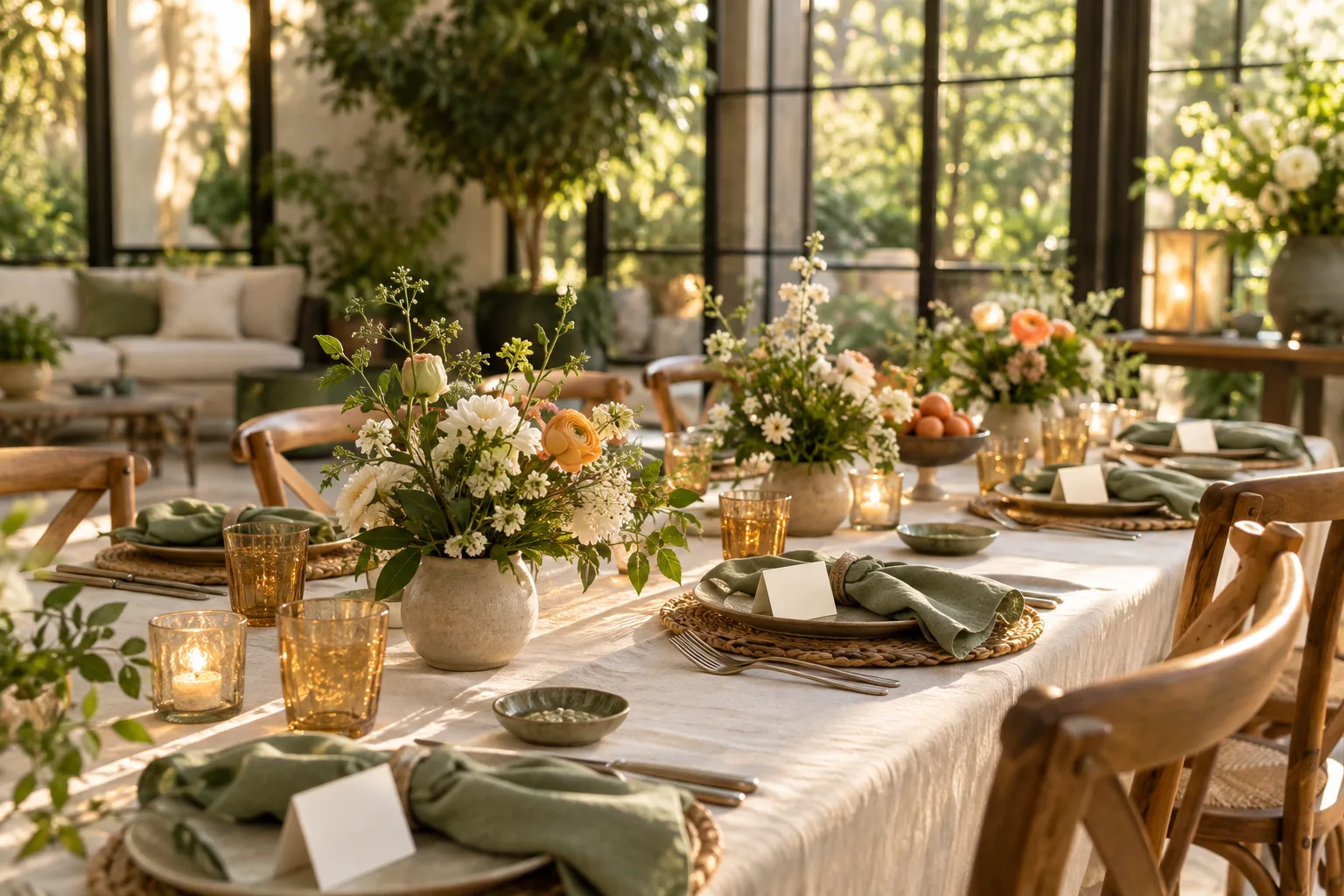
Create a day that feels considered, comfortable, and true to your family.
Define a good day before planning a bigger day
A well-planned bar or bat mitzvah is one where the important pieces work together: the young person knows what to expect, guests have the information they need, and the family can be present. An elaborate theme is optional. Clarity about the purpose of the day is much more useful than a long list of things other families have bought.
Ask your child and the adults helping to finish this sentence: “We will be glad we planned for…” Choose three shared priorities from the answers. They might be unhurried time with grandparents, a service that feels meaningful, and a lively meal with friends. Use those priorities when deciding what deserves money or attention.
- Agree on the celebration’s format and a spending ceiling.
- Name one person who can make final logistics decisions.
- Keep the child’s preparation and comfort visible in the plan.
Connect your tools instead of keeping separate guesses
Start with the confirmed ceremony date and a guest-count range. Use that count when requesting venue and catering quotes. When RSVPs change the count, revisit the meal total and room layout. Your budget, guest list, seating plan, and timeline should describe the same event.
Keep each number labeled: estimate, quoted, or confirmed. A catering price for 80 guests cannot be compared fairly with one for 120, and a room’s maximum capacity may not reflect the layout you want. Ask for the complete proposal using the same headcount, hours, and food requirements before making a decision.
- Record payment deadlines separately from planning tasks.
- Give each task an owner and a next action.
- Choose one current guest list and keep dated copies of vendor handoffs.
Plan the transitions guests actually experience
Imagine the day from arrival to departure. Where does a guest park? Who explains where to sit? How will people move from the service to the meal? When will children eat? What happens during a room change? These ordinary transitions often need more attention than an additional activity.
Create a simple event schedule with arrival, service, travel, meal, speeches, activities, and departure. Add realistic time for movement and a pause for the family. Treat any sample schedule as a draft: the synagogue, venue, and vendors should confirm the timings that affect them. Plan an indoor alternative when part of the event depends on weather.
- Send clear addresses and start times for each part of the day.
- Confirm access needs, dietary requests, and transport arrangements privately.
- Agree on young guests’ drop-off, supervision, and pickup responsibilities.
Hand off the plan so you can enjoy it
Give your designated helper one short document with the latest schedule, vendor contacts, confirmed counts, and unresolved decisions. Include who may approve an extra cost and who handles guest questions. A handoff works only if that person knows they have the role and has time to read the plan.
In the final week, check the details most likely to cause confusion: names, arrival times, meal counts, room setup, equipment, balances, and pickup instructions. Then set a point when optional changes stop. A late idea should earn its place by improving the experience, not merely by being available.
Afterward, arrange returns, thank-you notes, and a final review of payments. Ask your child what they enjoyed learning and what they would like to do next in Jewish life. The success of the day can include a good next step, not just a finished checklist.
A few common questions
What should a bar mitzvah planning checklist include?
Include preparation appointments, confirmed dates, guest counts, complete quotes, payment deadlines, invitations, food and access needs, seating, vendor arrivals, and a named contact for the day. Add only the activities your family actually plans to have.
Can a small bar mitzvah be well planned?
Absolutely. A small gathering still benefits from clear timing, comfortable seating, suitable food, and thoughtful communication. The quality of the plan is not determined by guest count or spending.
How do we avoid a stressful final week?
Resolve dependent decisions early, give every open task an owner, and send vendors consistent information. Reserve the final week for confirmation and preparation rather than optional new features.
This is general planning guidance; adapt it to your family and confirm dates, prices, and venue requirements with the people involved.
Build your event timeline
Enter your details at your own pace. A free account is required to view and save your results.
Open the tool