
Mitzvah project ideas with purpose
Help your child choose a meaningful mitzvah project, work with a community partner, set a realistic scope, and reflect on what they learn.
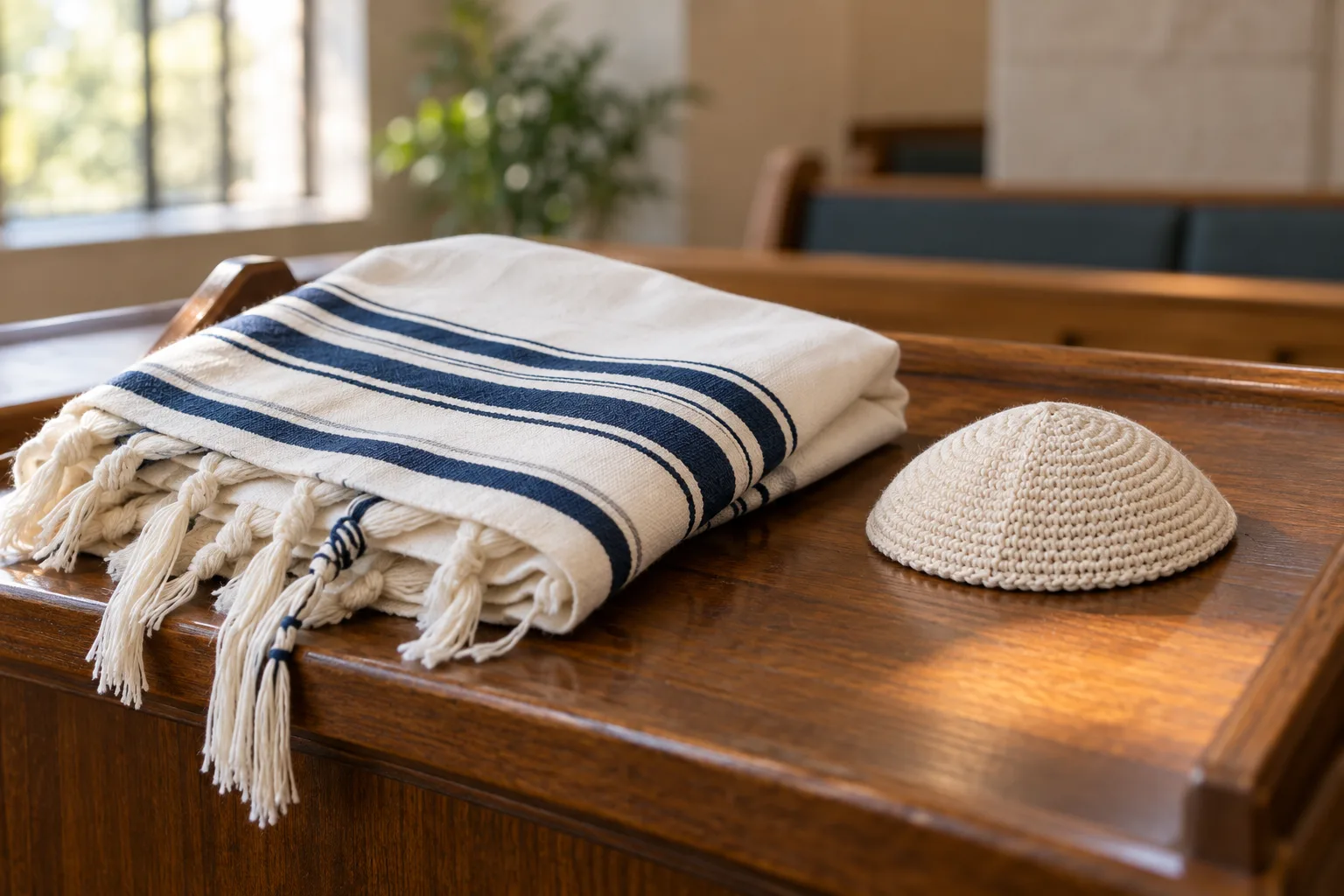
Choose a manageable project that responds to a real need and gives your child a meaningful role.
Begin with curiosity and a real community need
A mitzvah project can connect Jewish learning with responsibility toward others. The specific expectations belong to your synagogue or educator: ask whether a project is required, how it connects to study, and what reflection or follow-up is expected. Avoid turning the project into another contest for the most impressive celebration detail.
Ask your child which issue they want to understand better and what kind of work they enjoy. Then speak with an organization already addressing that issue. “What would be useful for someone our age to do?” is a better opening than announcing a collection before learning what the organization can accept.
- Choose one issue, one partner, and one realistic commitment.
- Confirm minimum ages, adult supervision, and available dates.
- Ask what success would look like from the partner’s perspective.
Match an interest to a useful contribution
If your child cares about food access, ask a food pantry about approved sorting shifts or its current requested items. A reader could help a partner organization organize a requested book collection by age and language. Someone who enjoys the outdoors might join an established cleanup or habitat project. These are starting points for a conversation, not promises that a particular opportunity is available.
An artist could make materials a nonprofit has requested, a technology enthusiast could assist with an approved digital task, and a musician could explore a performance with a community program that wants one. A project can also involve learning about an issue and sharing a well-researched explanation with the congregation. Let the organization’s needs shape the final idea.
- Check storage and delivery requirements before collecting anything.
- Ask whether money, supplies, or volunteer time would help most.
- Avoid collecting unwanted goods that create extra work for the recipient.
Make the scope small enough to finish well
Write a short project brief: the purpose, partner, student’s role, adult’s role, dates, supplies, and completion goal. Keep the student responsible for a meaningful piece they can actually do. Adults may need to manage transport, payments, and public communication, but the child should understand the project and be able to explain why it matters.
For example, a requested supply drive might have four steps: confirm the exact list, invite a small group to participate, sort and deliver on an agreed date, and reflect with the partner afterward. Set a modest supply budget and a backup date. Do not buy decorations or launch a fundraiser before the practical arrangement exists.
- Track commitments rather than just hours or money.
- Use the organization’s approved donation process when fundraising.
- Ask before using an organization’s name, logo, or photographs.
Reflect without making other people a backdrop
Ask your child what surprised them, what they learned from the partner, and what they would change next time. With their educator, connect those observations to a Jewish text, value, or question. A thoughtful account of a small project can say more than a large number with little understanding behind it.
Protect the privacy and dignity of people receiving support. You do not need photographs of recipients to prove that work happened. Share only images and stories you have permission to share, and describe the organization’s expertise rather than presenting the family as having solved a whole problem.
End with a realistic next step: return for another shift, continue learning, or hand over useful materials. Ongoing involvement can grow from a modest beginning. It is also fine to complete a defined commitment well and thank the people who made it possible.
A few common questions
Does a mitzvah project have to raise money?
No. Depending on your community’s expectations, a project may involve service, learning, organizing requested supplies, or another useful contribution. Let a partner’s actual needs and the student’s role guide the format.
How many volunteer hours are required?
There is no universal number for all communities. Ask your educator about local expectations and choose a commitment the partner and your family can support.
Can we do a project with friends or siblings?
Ask your educator and project partner. A shared project can work well when every participant has a clear responsibility and time to reflect on their own learning.
Sources & further reading
These sources inform the community context above. Practices vary; confirm ceremony details with your own synagogue or educator.
- Religious Action Center of Reform Judaism: Project Ideas for Mitzvah Days
- Union for Reform Judaism: Advice to a Bar or Bat Mitzvah in Today’s World
This is general planning guidance; adapt it to your family and confirm dates, prices, and venue requirements with the people involved.
Plan your project milestones
Enter your details at your own pace. A free account is required to view and save your results.
Open the tool