
Conservative vs. Reform bar mitzvah: what changes?
Understand Conservative and Reform approaches to a bar or bat mitzvah, including preparation, worship, family participation, food, and questions to ask.
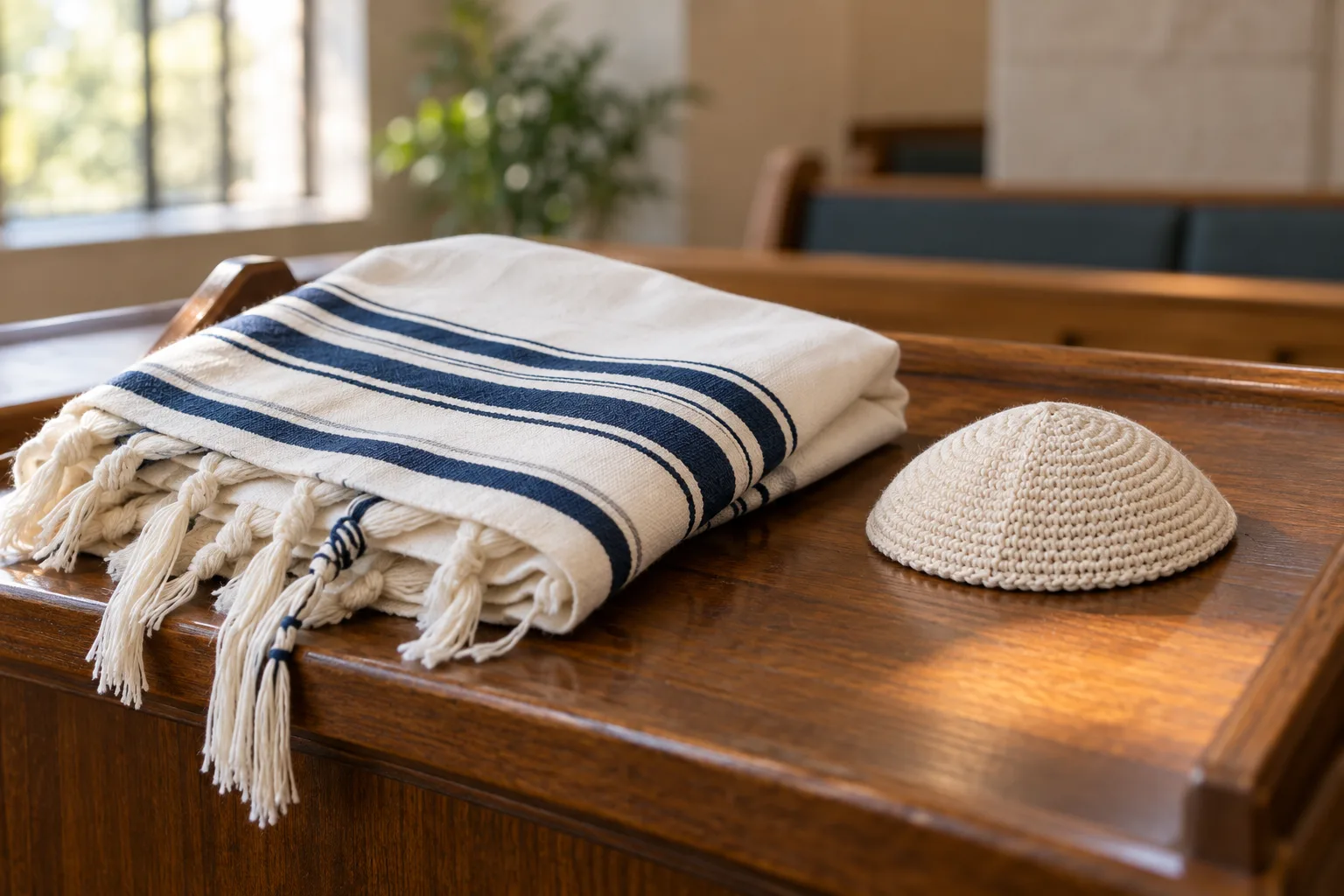
Compare the actual communities and their expectations, with room for your family’s questions.
The milestone is shared; the approach can differ
A Conservative and a Reform bar or bat mitzvah both mark a young person’s growing responsibilities in Jewish life. In either setting, the meaningful work includes learning, joining community worship, and thinking about how Jewish commitments will shape everyday life. Neither label tells you the size of the party or how much a family should spend.
The Rabbinical Assembly describes Conservative, also called Masorti, Judaism as a commitment to Jewish law and tradition that also allows development through interpretation. Reform Judaism emphasizes a living Jewish tradition, learning, and thoughtful choices about religious practice. These are differences in religious approach, not a ranking of how seriously families take the occasion.
Ask what the student will actually prepare
Do not assume that Reform means a short or easy preparation program, or that every Conservative student has the same assignment. Ask each congregation for its written learning path: Hebrew study, service attendance, tutoring, a Torah teaching, family sessions, and any project expectations. The length and content should be discussed with the educator guiding your child.
Request a concrete description of the ceremony roles. Which prayers will the student lead? Which text will they read or chant? Who selects the portion, and which recordings or melodies should they use? An educator’s answer is more useful for planning practice than a general comparison between movements.
- Confirm the eligible date and the community’s age policy.
- Ask which preparation costs are included and which are separate.
- Discuss learning supports and adaptations before setting an ambitious practice schedule.
Experience a service before making assumptions
Visit an ordinary service, with the congregation’s guidance, to understand its rhythm. Notice how guests find their place in the prayer book, how much explanation is offered, and how children participate. Services can differ within the same movement, so ask about the particular service planned for your date.
Discuss family honors directly with clergy. An aliyah is the honor of reciting blessings around a Torah reading; it is not the same assignment as chanting the reading itself. Eligibility and participation guidelines can differ for Jewish and non-Jewish relatives. Ask about suitable roles before promising anyone an honor or printing a program.
- Ask for the expected service duration instead of estimating from the denomination.
- Confirm policies on photographs, phones, music, and livestreams.
- Have each participant receive their instructions from one agreed contact.
Turn religious and hosting expectations into a practical brief
Get the building’s food and Shabbat policies before choosing a caterer or scheduling deliveries. A family’s practices at home may differ from a synagogue’s requirements. Ask who approves outside food, whether a specific certification is needed, and when setup or photography may happen. The same questions belong in conversations with both Reform and Conservative communities.
Choose a community by the relationships and Jewish life your family hopes to build, as well as the practical fit. After each conversation, record the date policy, learning plan, ceremony roles, hosting rules, fees, and next appointment. Bring unresolved differences to the clergy or educator rather than trying to settle them through a vendor or invitation designer.
A few common questions
Is a Reform bar mitzvah less religious than a Conservative one?
That is not a useful or accurate way to compare them. The movements approach Jewish practice differently, and both can involve substantial learning and meaningful worship. Ask about the specific community and student’s preparation.
Will the service or party cost more in one movement?
There is no reliable price rule based on denomination. Compare the actual membership or program fees, tutoring arrangements, facility charges, and celebration plans in writing.
Can relatives of another faith participate?
Ask the congregation which honors and readings are available to each person. Participation policies vary; confirm roles with clergy before inviting relatives to perform them.
Sources & further reading
These sources inform the community context above. Practices vary; confirm ceremony details with your own synagogue or educator.
- Rabbinical Assembly: Conservative / Masorti Movement
- Union for Reform Judaism: What is Reform Judaism?
- USCJ and Rabbinical Assembly: Sample Guidelines for Ritual and Lifecycle Events
This is general planning guidance; adapt it to your family and confirm dates, prices, and venue requirements with the people involved.
Plan your preparation milestones
Enter your details at your own pace. A free account is required to view and save your results.
Open the tool