
Choosing a Torah tutor and a preparation plan
Find the right preparation support for a bar or bat mitzvah with questions about tutoring, Hebrew, chanting, learning needs, practice, and progress.
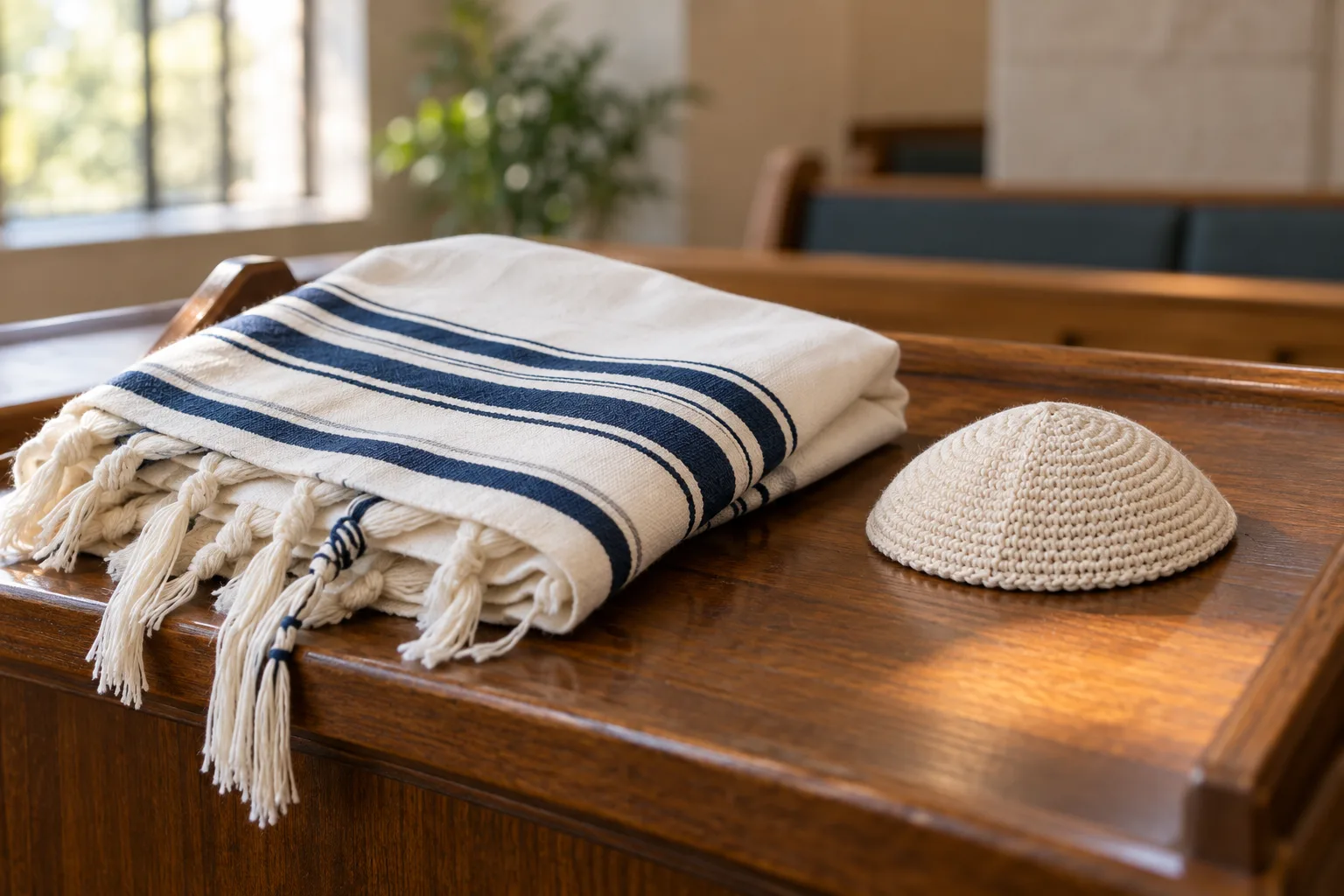
Find a teacher who works with your community and helps your child understand both the words and their meaning.
Check the community’s preparation plan first
Before hiring a private tutor, ask the synagogue or officiating educator how preparation is organized. Tutoring may already be included, assigned, or coordinated with a cantor or teacher. Find out whether an outside tutor needs approval and who confirms the final ceremony assignments.
Ask for the actual materials and expectations: Hebrew reading, blessings, Torah or haftarah chanting, service leadership, and a teaching or speech where applicable. Not every student has the same role. Working from an agreed plan keeps two teachers from preparing different melodies, texts, or versions of a blessing.
- Confirm the portion and selected passages with the officiating community.
- Identify the person who approves recordings and pronunciation conventions.
- Keep lesson dates and clergy meetings in the same calendar.
Look for a teaching relationship, not just a résumé
Ask a prospective tutor how they teach a new learner, how they respond when someone gets stuck, and how they help a student understand the text. Request references and a conversation involving your child. If a sample lesson is available, notice whether the student feels comfortable asking questions and whether instructions are understandable.
Share practical learning preferences: shorter assignments, audio examples, visual supports, movement breaks, or a particular time of day. Ask what the tutor can adapt and when another kind of support may be helpful. You do not need to distribute a child’s entire personal history to explain what helps them learn.
- How will you coordinate with our clergy or educator?
- What does practice between lessons look like?
- How will you tell us about progress or a concern?
- What are your scheduling, cancellation, and communication arrangements?
Compare the complete arrangement
Compare lesson length, frequency, materials, location, and the support available between sessions. Ask whether the quoted price includes recordings, rehearsal, travel, or help with a teaching. A lower per-lesson price may describe a different service; keep the scope alongside the amount.
Agree on how adults stay informed, who receives messages, and whether sessions are in person or online. For online lessons, try the audio setup and make sure the student can see the text clearly. Establish any recording permission in advance and avoid sharing a child’s lesson recordings publicly.
Choose a schedule that fits school, rest, and family life. Ask the teacher for realistic practice goals rather than choosing a daily duration because it sounds impressive. When a week becomes unusually busy, communicate early and agree on the most useful work to keep.
Measure understanding and confidence along with accuracy
At each check-in, ask the student what they can now do, what a passage means to them, and which part still feels confusing. Keep one clear next assignment instead of a vague instruction to “practice more.” If progress stalls, the teacher and community can discuss pacing or adjustments before the final week.
As the day approaches, rehearse the setting as well as the words: where to stand or sit, how to use the microphone, how to find the place in the text, and whom to look to for help. A rehearsal should make the event feel more familiar, not introduce surprise expectations.
Leave space for the student’s own questions and ideas. Jewish learning can continue after the ceremony through study, community participation, or another role that interests them. A useful preparation plan gives them something to carry forward beyond getting through one service.
A few common questions
When should Torah tutoring begin?
Ask your community to assess the student’s current skills and ceremony responsibilities. Preparation may include years of broader learning as well as a more focused tutoring period; there is no single timetable that fits everyone.
Can a tutor use a different melody from our synagogue?
Confirm the accepted melodies and materials with the officiating community before lessons begin. The tutor and community should agree on what the student is preparing.
What if my child is anxious about reading or speaking?
Tell the educator early and ask the student what support would help. Discuss pacing, practice formats, rehearsal, and available ceremony adaptations with the people guiding the preparation.
Sources & further reading
These sources inform the community context above. Practices vary; confirm ceremony details with your own synagogue or educator.
- Union for Reform Judaism: Advice to a Bar or Bat Mitzvah in Today’s World
- Temple Beth El: B’nei Mitzvah Manual, an Example of a Congregational Preparation Plan
This is general planning guidance; adapt it to your family and confirm dates, prices, and venue requirements with the people involved.
Schedule your learning milestones
Enter your details at your own pace. A free account is required to view and save your results.
Open the tool