
Your first bar or bat mitzvah: a guest’s guide
Know what to expect at a synagogue service, what to wear, how to follow along, and what to ask before attending your first bar or bat mitzvah.
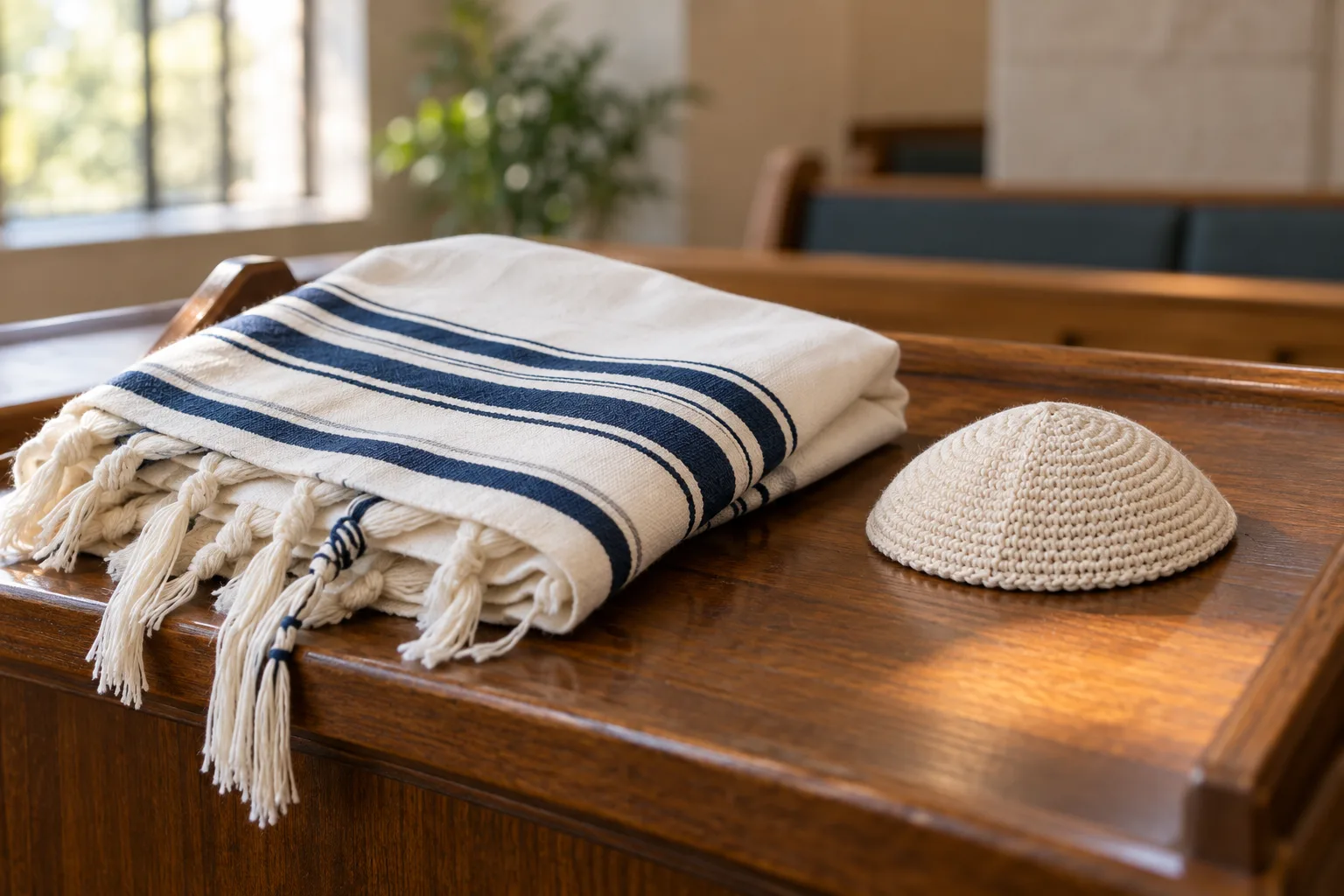
Arrive informed and comfortable, even if this is your first synagogue visit.
Read the invitation as two possible events
The service and reception may happen at different times or places, and you may be invited to one or both. Check the details before arranging transportation. Respond for each person named on the invitation and each event requested; ask the hosts if anything is unclear rather than assuming an extra guest is included.
Leave time for parking, finding the entrance, and any check-in instructions the synagogue provides. If you need an accessible route, a seat with a clear view, or another arrangement, contact the hosts beforehand. A specific request gives them a better chance to prepare than discovering a barrier as the service begins.
- Confirm the service start time and expected duration.
- Check whether young guests need a parent or a planned pickup.
- Save the correct address for both the service and celebration.
Follow the congregation’s dress and device guidance
Choose respectful clothing suited to the congregation and the invitation. Ask about dress expectations rather than applying a rule from a different synagogue. Head coverings, often called kippot or yarmulkes, may be provided; practices about who wears them vary. A tallit is a prayer shawl with ritual significance, so ask an usher before borrowing one if you are unsure.
Keep your phone put away during the service and follow the synagogue’s rules on devices, photographs, and recording. Permission to take a photo at the reception does not establish permission in the sanctuary. If you need a device for access or another practical reason, discuss an appropriate arrangement with the hosts in advance.
You can be present without knowing every prayer
Look for a prayer book, program, or usher who can help you find the page. Some books include English translations or transliteration alongside Hebrew. Listen for page announcements and instructions. You do not need to know Hebrew to attend respectfully or to appreciate the student’s preparation.
Follow invitations to stand or sit as you are able, and remain seated if standing is difficult. If you do not wish to recite a prayer, quiet attention is appropriate. Keep conversation for later. If you arrive late or need to step out, let an usher guide you to a suitable moment to move.
When the young person speaks or chants, offer them your attention. There is no need to film every moment to show support. If you have been offered a formal role, ask the organizer for the exact instructions and a chance to practice before the day.
Bring warmth to the celebration
“Mazel tov” is a common way to offer congratulations. You can also simply congratulate the young person and mention something you appreciated in their teaching or preparation. Speak to them as a person who has worked toward a meaningful milestone, not only as the host of a party.
Follow the hosts’ food, gift, and photography instructions. Ask before bringing outside food into a synagogue or adding another person to a table. If giving a gift, choose an amount or item comfortable for you; the size of a gift is not a test of friendship. Send a warm note if you cannot attend.
For hosts, a short guest note can prevent many questions: arrival details, clothing guidance, service length, device rules, and a contact for access requests. Keep it welcoming. Your guests need enough information to feel at home, not an exam in synagogue vocabulary.
A few common questions
Do I need to be Jewish to attend?
Invited guests of different backgrounds commonly attend. You can listen, follow the congregation’s guidance, and celebrate with the family. Ask the hosts about any particular role or participation question.
What if I cannot read Hebrew?
You can follow translations, listen, and use page cues from the service leader. Ask an usher for help. Knowing every prayer is not a requirement for being a thoughtful guest.
May I take photographs during the service?
Only if the congregation expressly permits it. Many communities restrict photography and devices, particularly on Shabbat. Check before the day and follow the local policy.
Sources & further reading
These sources inform the community context above. Practices vary; confirm ceremony details with your own synagogue or educator.
This is general planning guidance; adapt it to your family and confirm dates, prices, and venue requirements with the people involved.
Organize information for your guests
Enter your details at your own pace. A free account is required to view and save your results.
Open the tool