
Bar, bat, and b’nei mitzvah: what is the difference?
A clear explanation of bar mitzvah, bat mitzvah, b’nei mitzvah, and inclusive terms such as b’mitzvah and bet mitzvah, with invitation wording tips.
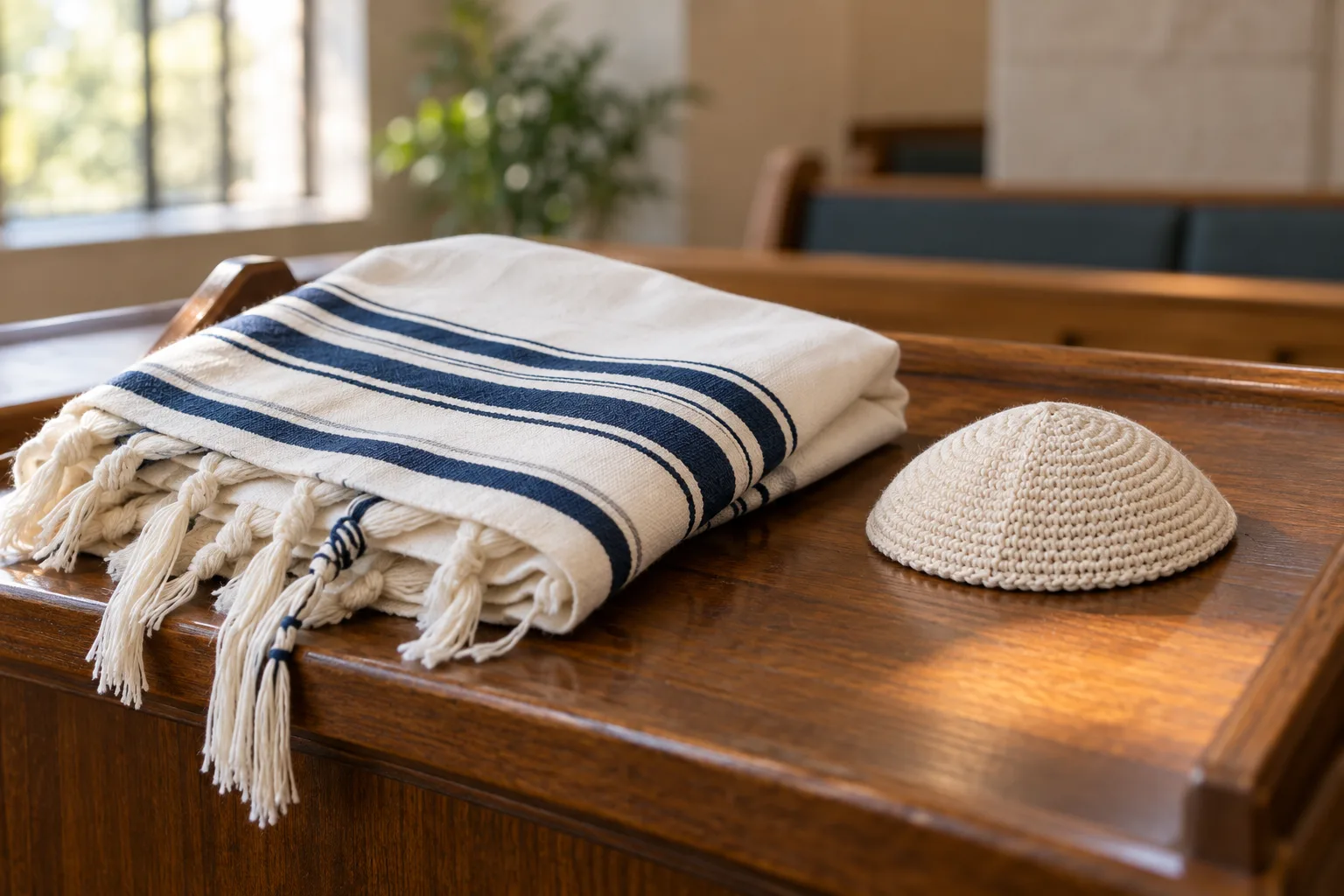
Understand the words and choose language that respects the person being celebrated.
Start with bar and bat mitzvah
Bar mitzvah is traditionally translated as “son of the commandment,” and bat mitzvah as “daughter of the commandment.” The terms refer to a person’s Jewish religious coming of age and responsibilities. In everyday English, people also use them for the ceremony or the celebration.
A mitzvah is a commandment or sacred obligation, a broader idea than the everyday expression “a good deed.” The milestone concerns participation in Jewish life; it is not an award for throwing a party. Reaching the relevant age and status does not depend on the size, expense, or existence of a reception.
B’nei mitzvah is a plural expression
B’nei mitzvah, also commonly spelled b’nai mitzvah, is a plural form, traditionally used for boys or a mixed group. B’not mitzvah is the feminine plural. You may see b’nei mitzvah on a synagogue page describing its whole preparation program, or on an invitation celebrating siblings or friends together.
Hebrew words can appear in English with different spellings because transliteration is not uniform. “Bnei,” “b’nei,” and “b’nai” may therefore appear in otherwise similar contexts. Follow the family’s preferred spelling rather than treating a different apostrophe or vowel as a different ceremony.
B’mitzvah and bet mitzvah offer other language choices
Some people and communities use b’mitzvah as an inclusive term. It is distinct from the traditional plural b’nei mitzvah. Bet mitzvah is another inclusive option, used by the Central Conference of American Rabbis in its general materials. These choices make room for people who do not identify with bar or bat and for communities using broader language.
Usage continues to vary. Some communities also use b’nei mitzvah inclusively for individuals, while others prefer a different term. Ask the young person what they want to use and confirm ceremony wording with their clergy or educator. There is no need to infer someone’s gender from a program label or to correct the wording they have chosen for themselves.
- Use the chosen term on invitations, signs, and thank-you notes.
- Give photographers and other vendors the person’s name, pronunciation, and preferred language.
- Check a shared celebration’s wording with every family involved.
Age and ceremony details depend on the community
Traditionally, bar mitzvah is associated with age 13 and bat mitzvah with age 12. Many Reform communities celebrate at 13 regardless of gender, and practices in other communities also vary. Your congregation should confirm the eligible date, including how it uses the Hebrew calendar, before you book a celebration.
The wording does not specify how much someone will chant, whether they give a teaching, or how long the service lasts. Those are separate conversations with the community. Adults can also undertake study and mark this milestone when they did not celebrate earlier; the date of a ceremony is not a measure of someone’s worth or belonging.
For invitations, a simple sentence often does the job: “Please join us as Jordan becomes b’mitzvah,” or the equivalent using Jordan’s chosen term. List the service and reception separately if their details differ. Ask the hosts before changing the terminology on a group invitation.
A few common questions
Does b’nei mitzvah always mean twins?
No. It is a plural expression and may refer to a group of students, siblings, friends, or a program. Some communities also use it inclusively for individuals; follow the hosts’ wording.
Are b’mitzvah and b’nei mitzvah the same word?
No. B’nei mitzvah is a traditional plural form. B’mitzvah is an inclusive expression used by some individuals and communities. Ask which term the person celebrating prefers.
Do you need a party to become bar or bat mitzvah?
No. A reception is a way to celebrate the milestone, not what establishes the religious coming-of-age status. A small meal or no party does not make the milestone less meaningful.
Sources & further reading
These sources inform the community context above. Practices vary; confirm ceremony details with your own synagogue or educator.
- Union for Reform Judaism: Becoming B’nai Mitzvah
- CCAR: Bet Mitzvah, an Inclusive Term
- Union for Reform Judaism: History of the Bar/Bat Mitzvah
- CCAR: Bar/Bat Mitzvah Observance Prior to Age Thirteen
This is general planning guidance; adapt it to your family and confirm dates, prices, and venue requirements with the people involved.
Start your invitation list
Enter your details at your own pace. A free account is required to view and save your results.
Open the tool